
Watching someone you love struggle without stable housing is painful. You want to fix it. You want to make a few calls and solve the problem. But finding supportive housing rarely works that way. The process is complex, and the system is hard to navigate.
Families still play an important role. Your support can make the difference between a loved one who stays stuck and one who gets housed. However, the kind of help you offer matters. Help that respects your loved one’s choices works best.
This article explains how families can help. It walks through the conversations to have, the questions to ask, the paperwork to gather, and the ways to support your loved one without taking over. It also shows where to turn when you need more support, and how to take care of yourself along the way.
Need Bed Placement or Support Services?
If your loved one needs bed placement at Hazel’s Tranquility Place or other services through Solano Impact Care, reach out today. Do not wait for a crisis.
- Call (707) 301-4051
- Email: care@solanoimpactcare.org
- Fill out the intake form below, or visit solanoimpactcare.org/get-started to get connected
Why Your Role Matters
When someone is without stable housing, the people around them often feel helpless. You may not know where to start. Likewise, you may feel pressure to act fast. You may also worry that you will say or do the wrong thing.
Here is the good news. You do not need to have all the answers. You do not need to solve the whole problem yourself. What you need is a clear sense of how to help in ways that work.
The system for finding supportive housing is hard to navigate on your own. There are applications, requirements, and different programs with different rules. A person facing all of that alone can easily get stuck. A family member who stays involved, informed, and respectful can help them move forward one step at a time.
Still, there is a catch. Help that takes over, pushes too hard, or ignores your loved one’s wishes tends to backfire. The most useful kind of support respects their choices. The sections below show what that looks like in practice.
Start With a Conversation
First, talk with your loved one. Do not arrive with a finished plan. It can be tempting to research programs, pick one, and present it as the answer. But that approach leaves out the most important person in the process.
Instead, come with open questions:
- Ask what they want.
- Ask what worries them.
- Ask what has gotten in the way before.
Each of these questions does something different. Asking what they want shows that their goals matter. Also, asking what worries them brings fears and concerns into the open, so you can deal with them early. Asking what has gotten in the way before helps you understand past barriers, so you can plan around them instead of repeating old patterns.
This matters because housing only holds when the person chooses it. A placement made over someone’s objections often fails. Listening builds trust, and trust makes every later step easier.
Keep the conversation calm. Avoid blame. Instead, focus on what comes next. Looking back at past mistakes rarely helps. Looking ahead gives you both something to work on together.
You may not get everything settled in one talk, and that is fine. Think of this as the first of many conversations. Each one is a chance to build trust and show that you are on their side.
To ask about bed placement, fill out the intake form or reach out directly.
Understand What Supportive Housing Is
Before you can help your loved one pick a path, it helps to understand what supportive housing actually is. Supportive housing combines a place to live with services. Those services may include recovery support, care coordination, and help with daily living.
Not every program works the same way, so it helps to learn what each one offers before you commit to anything. Programs can differ in who they serve, what they expect from residents, and what kind of help they provide. Choosing without knowing these details can lead to a poor fit, and a poor fit can lead to setbacks that were avoidable.
Ask each program these questions:
- Who does this program serve?
- What are the rules, including any sobriety requirements?
- What support is available on site?
- How long can a person stay?
- How does someone apply, and is there a waitlist?
Here is why each question matters.
Who does this program serve? Programs are not open to everyone. Knowing who a program is meant for tells you quickly whether it is worth pursuing.
What are the rules, including any sobriety requirements? Rules shape daily life in a program. If your loved one is not ready for a certain rule, it is better to know before they apply than after they move in. Talk through the rules with them so they can decide with full information.
What support is available on site? Some people need recovery support. Others need help with daily living or care coordination. Matching the support to the need is a big part of finding the right fit.
How long can a person stay? Knowing the length of stay helps you and your loved one plan for what comes next.
How does someone apply, and is there a waitlist? Timing matters. If there is a waitlist, you will want to start early and stay patient.
Clear answers help you find the right fit. They also prevent surprises later. Write the answers down for each program you look at so you can compare them side by side, and share them with your loved one so the choice stays theirs.

Photo by Romain Dancre on Unsplash
Help Gather Important Documents
Housing applications require paperwork, and missing documents delay many applications. This is one of the most practical areas where families can step in. You can help here without taking over.
Help your loved one collect:
- A government-issued photo ID
- A Social Security card
- Proof of income or benefits
- Their Medi-Cal information
- Any records of past housing or services
Think of this as building a folder that is ready when it is needed. When an application opens up, your loved one will not have to scramble. Having these items on hand can save time and reduce stress at a moment when both are in short supply.
If documents are lost, help request replacements. This task feels small. Yet it removes one of the most common barriers to getting housed. Replacing a lost document can take time, so starting early is wise.
As you help, keep your loved one in charge. Sit with them while they gather things. Offer to keep track of what has been found and what is still missing. But let them hold their own documents and make their own decisions about what to share. The goal is to make the process lighter, not to run it for them.
Connect Them to Care Management
Families often try to coordinate everything alone, and that burden is heavy. Keeping track of referrals, appointments, and applications is a lot for one person. Instead, connect your loved one to professional coordination.
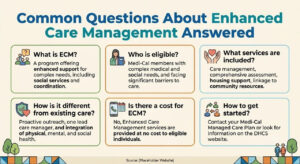
For eligible Medi-Cal members in Solano County, Solano Impact Care provides Enhanced Care Management. A care manager assesses needs and builds a plan. Then they follow through on each referral. As we covered in Housing Navigation Services Explained, active support makes the difference between a referral and actual housing.
That last point is worth pausing on. A referral on its own is just a piece of paper or a phone number. It only helps if someone follows up and makes sure it leads somewhere. A care manager does that follow-through, so your loved one does not have to carry it alone, and neither do you.
The team at Solano Impact Care has personally experienced homelessness, incarceration, substance use, and mental health challenges. Because of that, they understand what your loved one faces. Trust often builds faster as a result.
Trust matters a great deal in this process. Many people who have been through hard times feel judged or misunderstood by the systems meant to help them. Working with people who have lived through similar challenges can make it easier to open up and stay engaged.
If your loved one is a Medi-Cal member in Solano County, reaching out to Solano Impact Care is a strong next step. You can call (707) 301-4051 or email care@solanoimpactcare.org to ask about services.
Offer Practical Help Without Taking Over
Practical help matters. However, boundaries matter too. The goal is to offer support that builds your loved one’s independence. When you help in the right way, your loved one gains confidence. When you help in the wrong way, they can lose their sense of control.
Helpful actions include:
- Giving rides to appointments
- Sitting with them during phone calls
- Helping fill out forms
- Keeping track of dates and deadlines
- Celebrating each step forward
Each of these actions removes a real obstacle. A ride can be the difference between making an appointment and missing it. Sitting with someone during a phone call can make a stressful task feel manageable. Help with forms and deadlines keeps important details from slipping through the cracks. And celebrating each step forward reminds your loved one that progress is happening, even when it feels slow.
Now consider what to avoid. Some actions take away their voice, and these are best avoided:
- Do not make calls in their name without permission.
- Do not share their private information without consent.
When you act on someone’s behalf without asking, you risk damaging their trust. You may also take away their sense of ownership over their own life. Always ask first. If they say no, respect that answer.
Respect protects the relationship. And a strong relationship is one of the most valuable things you can bring to this process.
Take Care of Yourself Too
Supporting someone through this process is exhausting. Many families burn out. The worry, the phone calls, the waiting, and the setbacks all add up. Therefore, protect your own wellbeing.
It may feel selfish to focus on yourself when your loved one is in need. It is not. You cannot support someone well when you are running on empty.
As we covered in How to Support a Loved One in Recovery Without Burning Out, sustainable support requires your own support. Here are a few ways to look after yourself:
- Join a family support group.
- Talk with a counselor.
- Rest when you need to.
A family support group connects you with others who understand what you are going through. A counselor gives you a place to work through your feelings. And rest gives you the energy to keep going.
When you stay healthy, you help longer. You also help better. A calm, rested family member is far more useful than an exhausted one. Taking care of yourself is part of taking care of your loved one.
Be Patient With the Process
Finding housing takes time. Waitlists exist. Applications get delayed. Setbacks happen. None of this means you or your loved one is doing something wrong. It is simply part of how the process works.
Stay consistent. Keep encouraging your loved one. Celebrate small wins. Above all, avoid shaming them when progress slows.
Small wins are worth noticing. Gathering a document, making a phone call, and attending an appointment are all real steps forward. Naming them out loud helps your loved one see that they are moving, even on days when the finish line feels far away.
Shame, on the other hand, rarely helps. If progress slows, it can be tempting to express frustration. But frustration can make a person pull away at the very moment they need support. Try to stay steady and encouraging instead.
Patience communicates something powerful. It tells your loved one you are not leaving. For someone who may have felt alone or let down before, that message can mean everything.
Get Connected Today
Families do not have to solve this alone. Solano Impact Care supports Medi-Cal members across Solano County, including Vallejo, Fairfield, Vacaville, Dixon, Suisun City, and Rio Vista.
If your loved one needs bed placement at Hazel’s Tranquility Place or other services, there are three easy ways to start:
- Call (707) 301-4051
- Email: care@solanoimpactcare.org
- Visit solanoimpactcare.org/get-started
Do not wait for a crisis. Reaching out early gives your loved one more options and gives you more support.
Your loved one deserves a safe place to live. With the right support, that goal is within reach.