Receiving long-term support is not a sign of weakness. It is what responsible recovery and rebuilding looks like. Care managers, transitional housing programs, recovery support teams, and social services all exist because rebuilding a life after addiction, incarceration, or homelessness is genuinely hard. Nobody does it alone.
But there comes a point in every recovery journey where the goal shifts. The goal stops being just surviving with support and starts being thriving independently. That shift is not a cliff you jump off. It is a gradual transition. And building the skills that make independent living sustainable takes time, practice, and the right kind of preparation.
This article walks through the core independent living skills that make that transition possible. It also tells you exactly where to get support while you are building them.
Need Housing, Recovery, or Support Services?
Before we go further, if you or someone you love needs bed placement at Hazel’s Tranquility Place or any other service through Solano Impact Care, reach out today. Do not wait until crisis hits.
Call (707) 301-4051 or email care@solanoimpactcare.org
Visit solanoimpactcare.org/get-started to fill out the intake form and get connected to the right support immediately.
Understand That Independence Is Built Gradually
First, let go of the idea that independence happens all at once. It does not. Nobody goes from fully supported to fully independent overnight. That expectation sets people up to feel like failures when they still need help six months after leaving a program.
Instead, think of independence as a spectrum. On one end, you rely heavily on external support for daily functioning. On the other end, you manage your life confidently with occasional help when genuinely needed. Most people spend years moving gradually along that spectrum. And movement, however slow, is progress.
Building independent living skills is not about eliminating support entirely. It is about developing the capacity to manage increasingly more of your own life without constant external coordination. That capacity grows through practice. And practice requires both opportunity and a safety net underneath you while you learn.
Managing Money and a Budget
Financial management is one of the most fundamental independent living skills. Without it, housing becomes unstable, food becomes unpredictable, and every unexpected expense becomes a crisis.
Start with the basics. Know exactly how much money comes in each month. Then list every fixed expense including rent, utilities, phone, and transportation. Subtract your fixed expenses from your income. What remains is available for food, clothing, and other variable costs.
A simple written budget, even one written on a piece of paper, is more useful than a complicated app you will not use consistently. The point is visibility. When you can see where your money goes, you make better decisions about where it goes next.
Additionally, build the habit of saving something small each month. Even five dollars set aside builds the practice of thinking beyond the current week. Over time that habit compounds into actual financial resilience.
If budgeting feels overwhelming, Solano Home Assist offers workshops and one-on-one counseling that includes practical financial guidance for Solano County residents. Connecting to that support early makes the learning process significantly easier.
Managing Housing Responsibilities
Maintaining housing independently requires more than paying rent on time. It requires understanding your lease, communicating with your landlord, and managing the physical space you live in.
Know what your lease says. Read it carefully before signing. Ask questions about anything you do not understand. Understand what maintenance is your responsibility and what belongs to the landlord. Know the process for reporting repairs and keep a written record when you do.
Communicate with your landlord proactively. If you are going to be late with rent, contact them before the due date rather than after. Most landlords respond better to communication than to silence. Proactive communication builds the kind of landlord-tenant relationship that protects your housing during difficult periods.
Keep your living space clean and functional. This is not about perfection. It is about maintaining a home that supports your health and wellbeing. A clean, organized space also protects you from lease violations that could threaten your housing.
As we covered in the article on Housing Navigation Services Explained, housing sustainability requires skills and knowledge that many people are building for the first time. Getting support to develop those skills is not a failure. It is practical preparation.

Photo by Vitaly Gariev on Unsplash
Managing Health Independently
Managing your own health without a care manager coordinating every appointment requires intentional habits. These habits are learnable. But they need to be practiced before the support network steps back.
Schedule and keep your own medical appointments. Set reminders well in advance. Know which providers you see for which conditions. Keep a current medication list and bring it to every appointment.
Understand your health conditions well enough to recognize warning signs. Know what symptoms warrant an urgent call to your doctor and what can wait for a scheduled appointment. This knowledge reduces unnecessary emergency room visits and keeps your health management proactive rather than reactive.
Refill medications before they run out. Running out of a critical medication is a preventable crisis. Set a reminder to request refills at least one week before your current supply ends.
Maintain health insurance. If you are on Medi-Cal, make sure your information stays current so your coverage does not lapse. Report any changes in income or living situation promptly.
Managing Daily Routines and Structure
Structure does not disappear when formal support ends. You create it yourself. And that self-created structure is one of the most important protective factors for both mental health and recovery.
A sustainable daily routine includes consistent wake and sleep times, regular meals, physical movement of some kind, and time for the recovery practices that have been working for you. It also includes time for the practical responsibilities of independent life, cleaning, errands, appointments, and financial management.
When structure breaks down, everything else becomes harder. Sleep deteriorates. Eating becomes irregular. Recovery practices slip. And the mental health consequences of that deterioration create exactly the kind of vulnerability that relapse exploits.
Build your routine while you still have support around you. Practice managing your own schedule before it is entirely your responsibility. Use that practice period to identify which parts of your routine need the most reinforcement.

Photo by Hannah Busing on Unsplash
Building Your Own Support Network
Long-term support programs provide a ready-made community. When those programs end, that community does not automatically transfer to independent life. Building your own support network is an active, ongoing responsibility.
Your support network should include people in recovery, people who understand your history, people who will tell you the truth, and people who will show up in a crisis. It should also include professional touchpoints for when life gets complicated in ways that personal support cannot fully address.
Recovery communities including AA and NA provide ongoing community that does not require a program to maintain. Peer support relationships built during treatment or transitional housing often continue beyond those programs if you actively maintain them. Faith communities, community organizations, and employer relationships all become part of a broader support network over time.
Furthermore, knowing when to ask for help is itself an independent living skill. Independence does not mean never needing support. It means having the self-awareness to recognize when you need it and the skills to access it effectively.
Employment and Career Development
Sustained independent living requires sustainable income. Building employment skills is therefore a core component of the transition to independence.
Start by understanding your own work history honestly. Identify the skills you already have and the gaps that need to be addressed. Set realistic short-term employment goals rather than aiming immediately for the ideal job you want in five years.
For people in Solano County who face barriers to employment including criminal records or employment gaps, Match2Hire provides dedicated support for bridging the gap between job seekers and employers. Their focus on real-world barriers makes them a significantly more effective resource than a standard job placement service.
For those who need digital skills before employment is realistic, Solano EmpowerTech provides digital literacy workshops and job readiness training specifically designed for justice-involved individuals. Building those skills before entering the job market makes employment more sustainable from the start.
For Women Who Need Residential Support During This Transition
Building independent living skills is significantly harder without stable housing. The transition from long-term support to independence requires a stable platform to practice from.
For women in Solano County who need that platform, Hazel’s Tranquility Place in Vallejo provides transitional housing and sober living in a structured, supportive environment. It is a safe haven for women reentering from incarceration or recovering from substance use. Founded in 2019 by K. Patrice Williams after she witnessed firsthand the gaps in housing and support for women and children in Solano County during her campaign for Solano County Supervisor, Hazel’s Tranquility Place was built directly in response to what she saw.
The structured environment at Hazel’s Tranquility Place gives women the space to practice independent living skills while still having community and support around them. That combination, structure plus practice plus community, is exactly what the transition to independence requires.
Ask about bed placement today. Fill out the intake form or reach out directly.
Visit solanoimpactcare.org/get-started to fill out the intake form now.
Know When to Ask for Help
Independence does not mean handling everything alone. It means knowing when you can handle something yourself and when you genuinely need support.
Recognizing the difference is a skill. It develops over time. And it requires honest self-assessment rather than pride-driven resistance to help.
When something exceeds your current capacity, reach out early rather than late. Early help prevents small problems from becoming large crises. Large crises are harder to recover from and often set back the broader transition to independence significantly.
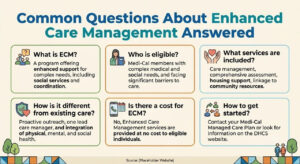
Solano Impact Care’s Enhanced Care Management remains available for eligible Medi-Cal members in Solano County throughout the rebuilding process. Their care managers do not just coordinate crisis response. They support the gradual transition to independence by building client capacity alongside providing coordination.
Getting Connected to Support in Solano County
Building independent living skills is a process. It takes time. It takes practice. And it is most sustainable when it happens with the right support around you rather than in isolation.
Solano Impact Care provides Enhanced Care Management and Community Supports for eligible Medi-Cal members across Solano County including Vallejo, Fairfield, Vacaville, Dixon, Suisun City, and Rio Vista.
Their team has personally navigated the transition from supported living to independent life. They bring that experience to every client relationship. And they understand the specific challenges and milestones of this transition because they have lived it themselves.