
Walking into a social services office or calling a program for help takes courage. You have already done something hard just by reaching out. But the process does not always get easier from there. Long hold times, confusing eligibility requirements, and systems that seem designed to slow you down can make the whole experience discouraging.
Self-advocacy changes that experience. It does not fix every broken system. But it puts you in a stronger position at every step. It helps you ask the right questions, understand your rights, and push back when something is not working the way it should.
This article walks through practical, honest strategies for advocating for yourself when you need social services. And it tells you exactly where to get support when self-advocacy alone is not enough.
You Have Rights; Know Them Before You Start.
Before you make a single call or fill out a single form, understand something important. You have rights as someone seeking services. Those rights exist regardless of your income, your background, your housing situation, or your history.
As a Medi-Cal member in California, your rights include:
- The right to receive covered services in a timely manner
- The right to appeal a denial of services
- The right to request a state fair hearing if you disagree with a decision about your care
- The right to receive information about your benefits in a language you understand
- The right to be treated with dignity and respect by every provider and agency you interact with
Knowing these rights matters. It changes how you engage with systems. It gives you a foundation to stand on when something is denied or delayed. And it signals to providers that you understand what you are entitled to.
Need Housing, Recovery, or Care Support?
If you or someone you love needs bed placement at Hazel’s Tranquility Place or any other service through Solano Impact Care, do not wait. Fill out the form below or reach out directly today.
Call (707) 301-4051 or email care@solanoimpactcare.org
Visit solanoimpactcare.org/get-started to fill out the intake form and get connected to the right support.
Write Everything Down
Documentation is one of the most powerful tools in self-advocacy. Start keeping a record from your very first contact with any agency or program.
For every interaction, write down:
- The date and time of the call or appointment
- The name of the person you spoke with
- What they told you
- Any reference numbers or case numbers given to you
- Any next steps they committed to
This record protects you. If a program denies something they previously told you was available, you have documentation. Also, if a case worker says they sent you a letter you never received, you have a record of when you last spoke and what was said. If a decision is made incorrectly, your notes become the foundation of an appeal.
Furthermore, keeping notes helps you track where you are in a process that can involve many steps and many weeks. That visibility reduces anxiety and keeps you organized when the process feels overwhelming.
Ask Questions Until You Understand
Many people leave appointments or phone calls without fully understanding what was just explained to them. They nod along because asking for clarification feels awkward or because they do not want to appear difficult.
Ask anyway. Asking questions is not difficult or demanding. It is essential.
Useful questions to ask at any service interaction include:
- What exactly does this program cover and what does it not cover?
- What do I need to bring or submit to complete my application?
- How long does the approval process typically take?
- What happens after I submit this?
- Who do I contact if I have not heard anything in two weeks?
- What are my options if I am denied?
Additionally, if something is explained in language you do not understand, say so directly. Ask the person to explain it in plain language. You are entitled to information you can actually use.

Follow Up Consistently
Most delays in social services are not deliberate. They happen because systems are overwhelmed and because nobody is actively pushing a file forward. Following up consistently keeps your case moving.
After any application or referral, set a specific follow-up date. Two weeks is a reasonable starting point for most processes. On that date, call or contact the agency to check on the status of your application or referral.
When you follow up, be polite and specific. Give your name, your case number if you have one, and ask clearly where things stand. Write down what you are told. Set another follow-up date if needed.
Consistent follow-up communicates that you are engaged and that you expect the process to move forward. It also catches delays early before they become months of nothing happening.
Know When and How to Appeal
Denials happen. They happen for legitimate reasons and for reasons that are incorrect or incomplete. Either way, a denial is not the end of the road.
Every major social services program has an appeals process. This means you have the right to formally challenge a decision you believe was made incorrectly.
When you receive a denial, do the following immediately:
- Read the denial letter carefully and identify the stated reason for the denial
- Note the deadline for filing an appeal, these deadlines are strict and missing them can forfeit your right to appeal
- Gather any documentation that contradicts or addresses the reason for denial
- Contact an advocate, care manager, or legal aid organization if you need help filing the appeal
In California, Medi-Cal members can request a state fair hearing by calling 1-800-952-5253. This process allows an independent review of decisions about your Medi-Cal benefits including denials of services.
Do not assume a denial is final. Many denials are overturned on appeal, particularly when the person appeals with additional documentation or clarification.
Bring Someone With You When You Can
Navigating a complex system alone is harder than navigating it with support. When possible, bring someone to appointments with you.
This person does not need to speak for you. Their role is to:
- Help you remember what was said
- Take notes while you focus on the conversation
- Notice things you might miss when you are stressed or overwhelmed
- Provide emotional support before and after a difficult interaction
If you do not have someone in your personal network who can accompany you, a peer support worker or care manager from an organization like Solano Impact Care can sometimes fulfill this role. Ask about what support is available for attending appointments.
Be Specific About What You Need
Vague requests produce vague responses. When you contact a social services program, be as specific as possible about what you are asking for.
Instead of saying I need help, try:
- I am a Medi-Cal member experiencing homelessness and I need help with housing navigation
- I was recently released from incarceration and I need help accessing CalFresh benefits
- I am in recovery and I need help finding a sober living program in Solano County
- I need to understand what mental health services are covered under my Medi-Cal plan
Specific requests give the person on the other end something concrete to work with. They also reduce the risk of being redirected to the wrong program or told to call back with more information.
Understand the Difference Between a Referral and an Actual Service
This distinction matters more than most people realize. Receiving a referral does not mean you are receiving a service. As we covered in the article on What Is the Difference Between a Referral and an Approved Service?, a referral is a recommendation. A service requires eligibility determination, authorization, and an actual provider connection.
When you receive a referral, ask directly: Is this an approved service or a referral I need to follow up on myself? Understanding which one you have received sets accurate expectations and tells you what follow-through is required on your end.
Know When You Need More Than Self-Advocacy
Self-advocacy is a powerful tool. But some situations require more than any individual can navigate alone. When the complexity of your needs exceeds what self-advocacy can address, coordinated support is the right next step.
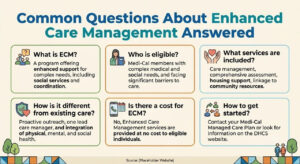
Enhanced Care Management through Solano Impact Care provides exactly that level of support for eligible Medi-Cal members in Solano County. A dedicated care manager holds the full picture of your situation. They advocate within systems on your behalf. Likewise, they coordinate between providers and programs. They follow through on every referral until it becomes an actual delivered service.
Their team has personally navigated homelessness, incarceration, substance use, mental health challenges, grief, and loss. They understand what it feels like to sit across from a system that was not designed with you in mind. And they know how to navigate that system effectively because they have done it themselves.
For Women Who Need Residential Support
For women in Solano County who need stable housing alongside recovery and social services support, Hazel’s Tranquility Place in Vallejo provides a structured, supportive residential environment where healing is possible.
Hazel’s Tranquility Place is a transitional and sober living home founded by K. Patrice Williams. It provides a safe haven and support services for women reentering the community from incarceration or recovering from substance use. Founded in 2019 while K. Patrice Williams was running for Solano County Supervisor, after she witnessed firsthand the gaps in housing and support for women and children in Solano County, Hazel’s Tranquility Place was built directly in response to what she saw.
To ask about bed placement or to get connected to services, fill out the intake form or reach out directly.
Call (707) 301-4051 or email care@solanoimpactcare.org
Visit solanoimpactcare.org/get-started to fill out the intake form today.
You Do Not Have to Do This Alone
Self-advocacy is important. Knowing your rights, documenting your interactions, following up consistently, and asking the right questions all make a real difference in how social services work for you.
But you do not have to do any of it alone. Solano Impact Care exists specifically to support people in Solano County who are navigating complex systems and complex needs at the same time. Their care managers advocate alongside you, not instead of you. They build your capacity to navigate these systems while actively removing the barriers that self-advocacy alone cannot always address.
Call (707) 301-4051, email care@solanoimpactcare.org, or visit solanoimpactcare.org/get-started to get connected.