
Asking for help is one of the hardest things a person can do. Not because help is unavailable. Not because people do not care. But because something in us resists the admission that we cannot handle things on our own. We have been taught, in ways both explicit and subtle, that struggling is something to manage privately. That needing support is a sign of weakness. That the right thing to do is push through until things get better on their own.
Sometimes things do get better on their own. But sometimes they do not. And the longer we wait to ask for help, the heavier the weight becomes, and the harder everything gets.
If you are reading this article, something is probably going on. Maybe you have been struggling for a while and you are finally considering reaching out. Maybe someone you love is struggling and you are trying to figure out how to help them take that step. Either way, this article is for you. It walks through why asking for help is so hard, what gets in the way, and how to actually do it, step by step, even when it feels impossible.

Photo by Fernando @cferdophotography on Unsplash
Why Asking for Help Feels So Difficult
Before talking about how to ask for help, it is worth acknowledging why it is hard. Because the difficulty is real. And dismissing it with phrases like just reach out does not serve anyone.
There are several reasons asking for help feels difficult.
Fear of judgment: The worry that if people really knew what you were going through, they would think less of you. That your struggles would change how people see you. That the shame of being seen in a vulnerable moment is worse than the pain of carrying things alone.
Not wanting to be a burden: Many people have internalized the belief that their needs are too much. That asking for help imposes on others. That the people in their lives have enough going on without adding the weight of someone else’s problems.
Not knowing what to say: Emotional struggles are hard to articulate. Sometimes you do not even have words for what you are feeling. The prospect of trying to explain something you barely understand yourself can make reaching out feel impossible before it starts.
Past experiences of not being heard: If you have reached out before and been dismissed, minimized, or met with responses that made things worse, asking again requires overcoming the memory of that experience. The nervous system remembers what happened last time. And it protects you from repetition.
The belief that you should be able to handle it yourself: This one is particularly common among people who have had to be self-sufficient from an early age. Handling things alone became a survival skill. And survival skills are hard to put down even when the situation that required them has changed.
Not believing things can get better: When you are deep in emotional pain, hopelessness can feel like clarity. Like you are finally seeing the truth that things will not improve. That belief makes reaching out feel pointless. Why ask for help if help will not change anything?
All of these are real obstacles. Naming them is the first step toward moving through them.
What Gets in the Way and How to Move Past It
Each of the obstacles above has a response. Not a magic solution. But a way of thinking about it that can make taking the first step feel more possible.
On fear of judgment
Most people, when they hear that someone they care about is struggling, do not think less of that person. They feel grateful to be trusted. They want to help. The judgment we fear in others is usually louder in our own heads than it is in reality. And the people worth telling are the ones who will respond with care rather than criticism.
On not wanting to be a burden
Think about someone you love. If they came to you struggling and asked for your support, would you consider them a burden? Most people, when they answer honestly, say no. They would feel honored to be trusted. The standard we hold ourselves to is almost always harsher than the one we apply to others.
On not knowing what to say
You do not have to have the right words. You can say exactly that. I have been struggling and I do not even know how to explain it but I needed to say something. That is enough to start. The conversation can unfold from there. You do not need a prepared speech.
On past experiences of not being heard
This one is harder. It requires distinguishing between the person or context that failed you before and the one you are considering reaching out to now. Not everyone will respond the same way. And professional support, including care management and mental health services, is specifically designed to provide the kind of response that a well-meaning but unprepared friend or family member could not offer.
On the belief that you should handle it yourself
Self-sufficiency is a strength. But it becomes a problem when it prevents you from accessing support that could genuinely help. Asking for help is not the opposite of strength. It is the application of strength to a situation that is bigger than one person can manage alone.
On not believing things can get better
Hopelessness is a symptom, not a fact. It is one of the most common features of depression and unprocessed trauma. As we covered in the article on Signs You May Need More Support With Your Mental Health, persistent hopelessness is one of the most significant signs that professional support is needed. The part of you that does not believe things can improve is the part that most needs care.

Photo by Brett Jordan on Unsplash
How to Actually Ask for Help: A Practical Guide
Knowing that asking for help is the right thing to do is different from knowing how to do it. Here is a practical breakdown of what that actually looks like.
Start smaller than you think you need to
You do not have to make a grand declaration or have a comprehensive conversation the first time. Starting small might look like sending one text to a friend that says I have been having a hard time lately. Or calling 211 to ask what mental health resources exist in Solano County. Or visiting solanoimpactcare.org/get-started to learn what support is available. Small first steps lower the threshold enough to make them possible.
Choose who to tell carefully
Not every person in your life is equipped to respond well to emotional disclosure. Think about who in your circle has shown up well in the past. Who listens without immediately trying to fix things. Likewise, who responds with warmth rather than advice. Who can hold what you share without making it about themselves. That is the person to start with.
Be specific about what you need
People often do not know how to help because they do not know what is being asked of them. If you need someone to listen, say that. Also, if you need someone to sit with you, say that. If you need help finding a professional resource, say that. Specific requests are easier for people to respond to than general expressions of need.
Write it down first if speaking feels too hard
For many people, the words come more easily in writing than in speech. A text, an email, or even a note you read out loud from your phone is a completely valid way to start the conversation. What matters is that the communication happens, not what form it takes.
Use a professional resource when personal support is not enough or not available
Sometimes the people in your life are not in a position to provide the level of support you need. That is not a failure of your relationships. It is a sign that professional support is the right next step. Mental health professionals, care managers, peer support workers, and crisis lines all exist specifically for this purpose.
If you are in immediate emotional distress or having thoughts of self-harm, call or text 988. The Suicide and Crisis Lifeline is available twenty-four hours a day, seven days a week. You do not have to be in a full crisis to call. Struggling is enough.
What Happens After You Ask
One thing that stops people from asking for help is not knowing what happens next. The unknown can feel more frightening than the difficulty of staying silent.
Here is what typically happens when you ask for help.
If you reach out to a friend or family member, they will likely respond with concern and a desire to help, even if they do not know exactly what to do. The conversation may be imperfect. But the connection itself does something that isolation cannot. It begins to reduce weight.
If you reach out to a professional service like Solano Impact Care, you will be connected with someone who will listen to your situation without judgment and help identify what kind of support makes sense for where you are. You will not be handed a list of phone numbers and sent on your way. You will be heard and helped to figure out the next step.
If you call a crisis line, a trained counselor will pick up. They will listen and will not judge you or tell you that your situation is not serious enough. They will help you get through the moment you are in and identify what comes next.
None of these outcomes are as frightening as they feel before you make the call or send the message. The anticipation of asking is almost always harder than the asking itself.
What Solano Impact Care Offers
For people in Solano County who are struggling emotionally and need support that goes beyond what a single conversation can provide, Solano Impact Care is here.
The team at Solano Impact Care has personally navigated emotional struggles including mental health crises, grief, loss, substance use, incarceration, and homelessness. They are not offering support from a distance. They are offering it from the same side of the experience you are on. That shared understanding changes what asking for help feels like. It makes it feel less like admitting failure and more like talking to someone who already knows the terrain.
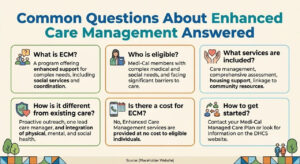
Solano Impact Care provides Enhanced Care Management and Community Supports for eligible Medi-Cal members in Solano County. Their care managers coordinate across mental health, housing, recovery, and social services to make sure that emotional struggles are addressed as part of a whole-person care plan rather than in isolation from the other challenges that often accompany them.
As we explored in the article on How Trauma Can Affect Everyday Life, many emotional struggles are rooted in trauma that has never been properly addressed. The trauma-informed approach at Solano Impact Care means that what is underneath your current struggle will be seen and addressed, not just the surface symptoms that brought you to reach out.
For women in Solano County who need a safe, structured, and supportive residential environment alongside emotional and recovery support, Hazel’s Tranquility Place in Vallejo provides exactly that. It is a transitional and sober living home founded by K. Patrice Williams, providing a safe haven and support services for women reentering the community from incarceration or recovering from substance use. Founded in 2019 while K. Patrice Williams was running for Solano County Supervisor, after she witnessed firsthand the gaps in housing and support for women and children in Solano County, Hazel’s Tranquility Place was built directly in response to what she saw. Learn more at hazelstranquility.org.
Asking Is Not the End
Asking for help does not solve everything. It does not make the pain disappear or the problems go away. What it does is open a door. It brings another person or another resource into the situation. It creates the possibility of something changing that cannot change in isolation.
The people at Solano Impact Care who will answer when you reach out have asked for help themselves. They know what it took to make that call. And they know what became possible on the other side of it.
You do not have to have the right words. Also, you do not have to know exactly what you need. You just have to take the first step.
Call (707) 301-4051, email care@solanoimpactcare.org, or visit solanoimpactcare.org/get-started to get started.