
Mental health is something most of us think about only when things get bad enough that we cannot ignore them anymore. We push through. We tell ourselves everyone feels this way sometimes. We wait to see if it gets better on its own.
Sometimes it does get better. But sometimes what feels like a rough patch is actually something deeper. Something that has been building for a long time. Something that genuinely needs more support than willpower and waiting can provide.
Recognizing that moment is not weakness. It is one of the most important and honest things a person can do for themselves. And in Solano County, support is available for exactly that moment.
This article walks through some of the most common signs that your mental health may need more attention than it is currently getting. If several of these feel familiar, that is worth paying attention to.

You Feel Overwhelmed Most of the Time
Everyone has overwhelming days. That is normal. Life brings pressure, loss, conflict, and uncertainty. Feeling overwhelmed occasionally is part of being human.
But when overwhelm becomes the baseline, when most days feel like too much before they have even started, that is a different thing entirely. It is a sign that your nervous system is carrying more than it can manage on its own.
Chronic overwhelm can show up as:
- Difficulty making even small decisions
- A constant sense of dread about ordinary tasks
- Feeling behind on everything no matter how hard you try
- Physical symptoms like headaches, stomach problems, or fatigue that have no clear medical cause
These are not signs of laziness or weakness. They are signs that your mind and body are asking for support.
Your Sleep Has Changed Significantly
Sleep is one of the most sensitive indicators of mental health. When something is off emotionally or psychologically, sleep is often the first thing affected.
Pay attention if you notice:
- Difficulty falling asleep because your mind will not stop racing
- Waking up in the middle of the night and being unable to get back to sleep
- Sleeping far more than usual and still feeling exhausted
- Nightmares or disturbing dreams that are becoming more frequent
- Dreading going to sleep because of how you feel when you wake up
Sleep problems and mental health are deeply connected. One tends to make the other worse. Over time, chronic sleep disruption affects everything, including mood, concentration, immune function, and the ability to cope with stress.

You Have Withdrawn From People and Things You Used to Enjoy
One of the quieter signs of declining mental health is withdrawal. It does not always look dramatic. Sometimes it is gradual. You stop returning calls. You decline invitations more often than you accept them. Hobbies that once brought you pleasure feel pointless. Time with people you love starts to feel like effort rather than comfort.
This kind of withdrawal is worth noticing for a specific reason. As we explored in the article on The Power of Community in Long-Term Recovery and Resilience, isolation is one of the most consistent predictors of worsening mental health. The less connected we are, the harder it becomes to manage what we are carrying. And the harder it becomes, the more we withdraw. It becomes a cycle that is difficult to break without support.
If you find yourself consistently pulling away from connection, that is your mental health asking for attention.
Your Emotions Feel Out of Control or Completely Absent
Mental health challenges affect emotional experience in two very different ways. For some people, emotions become intense and unmanageable. For others, they go quiet in a way that feels like numbness.
Both are worth paying attention to.
Signs that emotions may be outside your normal range include:
- Crying frequently without knowing exactly why
- Explosive anger that feels disproportionate to what triggered it
- Feeling nothing at all, even in situations that would normally move you
- Mood shifts that are rapid, intense, or difficult to predict
- Feeling disconnected from yourself, as though you are watching your life from the outside
Emotional dysregulation is not a character flaw. It is a signal. It tells you that something in your nervous system needs support that you are not currently getting.
You Are Using Substances to Cope
This one requires honesty, and honesty about substance use is genuinely hard. Especially when the use started as something that helped, a drink to take the edge off, a way to get to sleep, something to make social situations feel manageable.
However, when substances become a primary way of managing emotional pain, anxiety, stress, or mental health symptoms, that is a significant sign that underlying mental health needs are not being addressed.
The relationship between mental health and substance use runs in both directions. As we covered in the article on What Is Dual Diagnosis and How Is It Treated?, many people dealing with both a mental health condition and a substance use disorder are actually using substances to manage symptoms that have never been properly identified or treated. Addressing one without the other is rarely enough.
If you recognize that substances have become a coping mechanism rather than an occasional choice, that recognition is important. It is information, not a verdict.
You Are Having Thoughts of Hurting Yourself
This sign deserves its own clear statement. If you are having thoughts of suicide or self-harm, please reach out for support right now. Not tomorrow. Not after you see how the week goes. Now.
You can call or text 988, which is the Suicide and Crisis Lifeline. It is available twenty-four hours a day, seven days a week. Trained crisis counselors are there to listen without judgment and help you figure out the next step.
Thoughts of self-harm are a mental health emergency. They are a signal that the pain you are carrying has exceeded what you are currently able to manage. That is not weakness. It is a clinical situation that deserves immediate, professional attention.
Your Daily Functioning Has Broken Down
There is a difference between having a hard time and being unable to function. Both deserve attention. But when basic daily tasks start to fall apart consistently, that is a sign that something more significant is happening.
This might look like:
- Not being able to get out of bed most days
- Missing work, appointments, or obligations repeatedly
- Neglecting basic hygiene or self-care for extended periods
- Being unable to prepare food, manage finances, or handle everyday responsibilities
- Feeling paralyzed by tasks that used to be manageable
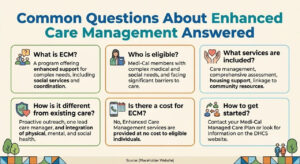
When functioning breaks down at this level, what you need is not motivation. You need structured support that can help stabilize your daily life while addressing the underlying causes. That is exactly what Enhanced Care Management through Solano Impact Care is designed to provide.
You Feel Hopeless About the Future
Hope is not a luxury. It is a core component of mental health. When it goes missing, everything becomes harder. Motivation drops. Relationships suffer. The things that used to feel worth working toward start to seem pointless.
Persistent hopelessness, the kind that lasts for weeks rather than days, is one of the most significant signs of a mental health condition that needs attention. It is also one of the most treatable. But it rarely improves on its own without some form of support.
If you find yourself regularly thinking that things will not get better, or that it does not matter what you do, that thought pattern deserves professional attention. It is not the truth. But when you are inside it, it feels like the truth. And that is exactly why support matters.
You Have Been Through Something Traumatic and Have Not Processed It
Trauma does not always announce itself. Sometimes it sits quietly underneath the surface for months or years. It shows up as irritability, trouble sleeping, difficulty trusting people, or a vague sense that something is wrong that you cannot quite name.
If you have been through something significant, whether that is abuse, loss, incarceration, homelessness, domestic violence, or any other experience that felt overwhelming or unsafe, and you have never had space to process it, that unprocessed experience may be affecting your mental health right now even if the connection is not obvious.
As we explored in the article on What Is Trauma-Informed Care and Why Does It Matter?, trauma changes the brain and the nervous system in ways that are real and measurable. And it does not resolve on its own just because time has passed. Processing trauma requires support. And support that is genuinely trauma-informed, the kind Solano Impact Care provides, makes a real difference in how that process goes.
What to Do If These Signs Feel Familiar
Reading through this list and recognizing several of these signs in yourself or someone you love can feel heavy. But recognition is actually the most important first step. You cannot address something you have not named.
Here is what to do next.
If it is an emergency, call or text 988 or go to your nearest emergency room. Do not wait.
If it is not an emergency but you know you need more support, reach out to Solano Impact Care. Their team provides Enhanced Care Management and Community Supports for Medi-Cal members in Solano County. They connect people to mental health services, recovery support, housing, and the full range of resources that address the whole picture of what someone is dealing with.
The team at Solano Impact Care has personally navigated mental health challenges, substance use, grief, loss, homelessness, and incarceration. They understand what it feels like to be in the place many of the people reading this article are in right now. That shared experience is why the support they offer feels different from walking into a county office or filling out a standard intake form.
They will meet you where you are. Without judgment. Without conditions. And with genuine understanding of what you are carrying.
For women in Solano County who need a stable, structured, and supportive residential environment alongside mental health and recovery support, Hazel’s Tranquility Place in Vallejo provides exactly that. Founded in 2019 by K. Patrice Williams after she witnessed firsthand the gaps in housing and programming for women and children in Solano County during her campaign for Solano County Supervisor, Hazel’s Tranquility Place offers women a safe place to land while they do the work of healing. Learn more at hazelstranquility.org.
You Do Not Have to Wait Until Things Get Worse
One of the most common things people say when they finally reach out for mental health support is that they wish they had done it sooner. They waited. They told themselves it was not bad enough yet. And by the time they asked for help, things were significantly harder than they needed to be.
You do not have to wait until things get worse. Reaching out now, at the first sign that something is off, is not overreacting. It is good judgment.
To get connected with support in Solano County, call Solano Impact Care at (707) 301-4051 or email care@solanoimpactcare.org. You can also visit solanoimpactcare.org/get-started to start the process online.
Your mental health matters. And help is closer than you might think.