When people talk about the barriers to health and stable housing, food rarely comes up first. Housing gets the most attention. Employment follows closely. Mental health and substance use are increasingly part of the conversation. But food, the most basic of all human needs, often sits in the background as though its absence is a separate issue from everything else.
Likewise, it is not a separate issue. Food insecurity sits at the intersection of everything that Solano Impact Care works to address. And understanding that connection matters for anyone trying to rebuild stability in Solano County.
This article explains what food insecurity actually is, how it affects health and housing, and what support is available through Medi-Cal’s Community Supports program and the broader network in Solano County.
What Food Insecurity Actually Means
Food insecurity does not always look like having nothing to eat. It exists on a spectrum. At one end, a person or family does not know where their next meal is coming from. At the other end, someone has enough food most of the time but regularly worries about running out before the end of the month, skips meals to make food stretch, or relies on low-quality, low-cost options that do not meet their nutritional needs.
Additionally, both ends of that spectrum have real consequences. And both are more common in Solano County than most people realize.
Food insecurity affects people across many circumstances. It affects people experiencing homelessness who have no consistent access to cooking facilities or stored food. Likewise, it affects people in early recovery whose income is limited and whose routines are still being established. It affects formerly incarcerated individuals who are rebuilding financial stability from very little. It affects families stretched thin by housing costs in a county where rents have risen significantly. And it affects people managing chronic health conditions whose dietary needs are specific but whose access to appropriate food is limited.
Also, in each of these situations, food insecurity does not exist alongside the other challenges a person faces. It makes every other challenge harder.

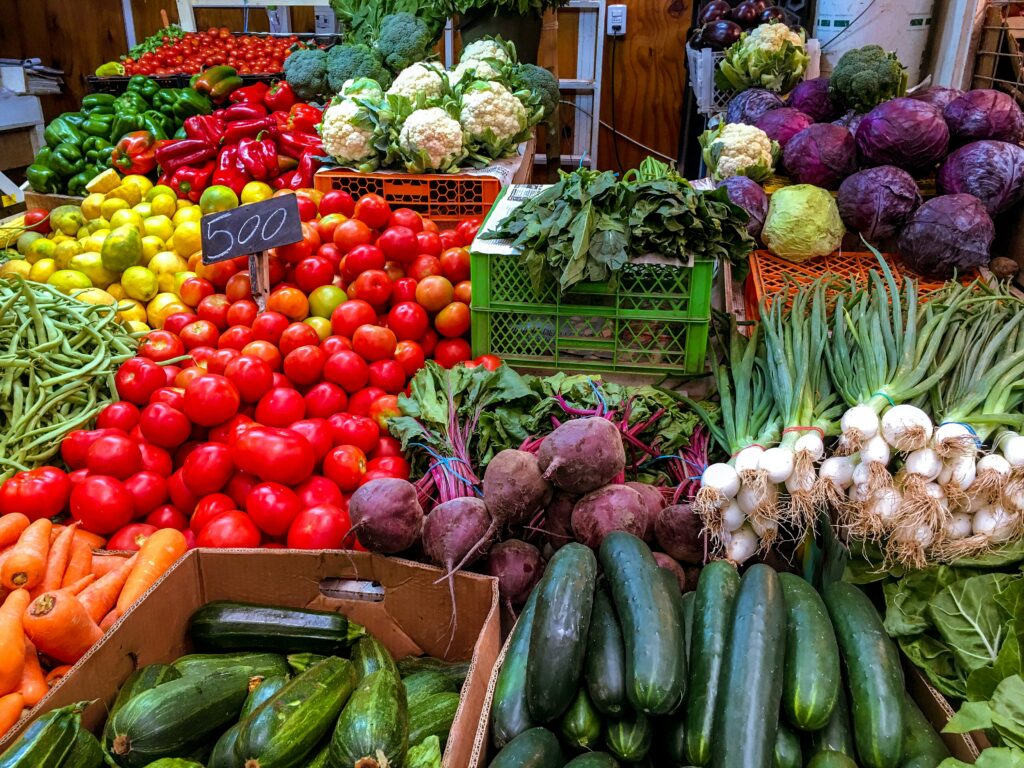
Photo by Vitalii Pavlyshynets on Unsplash
How Food Insecurity Affects Physical Health
The physical health consequences of food insecurity are well documented and significant.
They affect both people who are going without food entirely and those who are eating consistently but not eating well.
Chronic disease management: For people managing diabetes, hypertension, cardiovascular disease, kidney disease, or other chronic conditions, nutrition is not optional. It is part of treatment. A person with diabetes who cannot access appropriate food is not just hungry. Also, they are unable to manage their condition effectively no matter how well their medication is prescribed. Blood sugar becomes difficult to control. Complications develop faster. Emergency room visits increase. Hospitalizations become more frequent.
Immune function: Adequate nutrition is essential for a functioning immune system. People experiencing food insecurity get sick more often, recover more slowly, and are more vulnerable to infections that a well-nourished person’s immune system would manage more effectively.
Physical development in children: For children in food-insecure households, the consequences extend beyond immediate health. Also, inadequate nutrition during critical developmental periods affects physical growth, cognitive development, and long-term health outcomes in ways that persist well into adulthood.
Medication interactions and effectiveness: Many medications need to be taken with food or require adequate nutrition to be metabolized effectively. For people who cannot consistently access food, medication adherence becomes complicated in ways that undermine even well-coordinated healthcare.
Energy and physical capacity: The ability to engage with employment, appointments, recovery programs, and the practical demands of rebuilding requires physical energy. Likewise, chronic food insecurity depletes that energy in ways that affect every dimension of daily functioning.

Photo by Marcel Strauß on Unsplash
How Food Insecurity Affects Mental Health
The connection between food insecurity and mental health is bidirectional and powerful. Food insecurity causes mental health deterioration. And mental health challenges make food insecurity harder to address.
Anxiety and chronic stress: Not knowing where your next meal is coming from activates the body’s stress response system in a sustained way. As we covered in the article on How Trauma Can Affect Everyday Life, chronic stress changes the nervous system in ways that affect mood, cognition, relationships, and the ability to cope with daily challenges. Food insecurity is a persistent stressor that keeps that system activated.
Depression: Research consistently finds higher rates of depression among people experiencing food insecurity compared to those who are food secure. This relationship holds even when other factors are controlled for. Food insecurity is not just correlated with depression. It contributes to it directly through the stress it creates and the physical effects of inadequate nutrition on brain chemistry.
Cognitive function: Adequate nutrition is essential for brain function. Hunger impairs concentration, memory, decision making, and emotional regulation. For people who are already navigating complex systems and making difficult decisions, the cognitive effects of food insecurity add another layer of difficulty to an already demanding situation.
Shame and stigma: Food insecurity carries significant social shame in ways that other forms of need sometimes do not. The experience of not being able to feed yourself or your children produces shame that can lead to isolation and withdrawal from the social connections that support mental health and recovery.
How Food Insecurity Threatens Housing Stability
The connection between food insecurity and housing stability is practical and direct.
Budget competition: Housing and food compete for the same limited dollars. When food costs rise or income drops, something has to give. For many low-income households in Solano County, that calculation plays out every month. Sometimes housing wins and the family goes hungry. Sometimes food wins and rent falls short. Either outcome creates instability.
Health crises that disrupt housing: When food insecurity leads to health crises, those crises create costs, hospitalizations, missed work, and disruptions to daily functioning that threaten housing stability. Also, a person who loses their job because a health condition that was worsened by poor nutrition became unmanageable is facing a housing risk that started with food.
Recovery vulnerability: For people in recovery from substance use, food insecurity creates a specific vulnerability. Hunger, low blood sugar, and the stress of not knowing where food is coming from are all triggers that increase craving and reduce the cognitive resources available for managing recovery. Furthermore, as we explored in the article on How Long Does Recovery Actually Take?, the environment a person recovers in shapes outcomes significantly. Food insecurity makes that environment more hostile to recovery in measurable ways.
Children and family stability: For families, food insecurity affects children’s behavior and school performance in ways that create additional stress on parents who are already managing difficult circumstances. That additional stress compounds the pressure on housing stability.
What Medi-Cal Now Covers for Food Support
One of the significant changes introduced through CalAIM is the inclusion of food-related supports as part of Medi-Cal’s Community Supports program. This is a meaningful expansion of what healthcare coverage addresses.
Medically tailored meals are available to Medi-Cal members with specific qualifying health conditions who require specialized nutrition as part of their treatment. These are not generic meal deliveries. They are meals designed around the specific dietary requirements of a member’s health condition, prepared and delivered to support treatment outcomes rather than simply address hunger.
Medically supportive food assistance is available to members whose health is being directly affected by food insecurity. This support acknowledges that food access is a healthcare issue and that addressing it through the healthcare system is both appropriate and cost-effective.
Furthermore, these services are available at no cost to eligible Medi-Cal members through CalAIM’s Community Supports program. They are coordinated through Enhanced Care Management, which means a care manager identifies whether a member qualifies, facilitates access, and coordinates the food support with the member’s broader health and care plan.
As we covered in the article on What Are Community Supports Under Medi-Cal?, Community Supports represent Medi-Cal’s formal recognition that health outcomes cannot be improved by medical interventions alone. Food is one of the clearest examples of a social determinant of health that requires a healthcare response.
How Solano Impact Care Addresses Food Insecurity
For eligible Medi-Cal members in Solano County, Solano Impact Care coordinates access to food-related Community Supports as part of comprehensive care management. Their care managers identify food insecurity as part of the comprehensive assessment and address it as a priority in the care plan when it is present.
Solano Impact Care treats food insecurity as a core health issue, not as a separate social services problem disconnected from healthcare. Their care managers address it directly as something that affects every other dimension of a person’s stability and that requires the same coordinated attention as housing, mental health, and recovery support.
The team at Solano Impact Care brings personal understanding to this work. Many of them have experienced food insecurity directly. They know what it feels like to navigate hunger alongside everything else that comes with rebuilding. And they know which resources in Solano County actually work, which ones have waitlists, and how to help people access support quickly rather than getting lost in systems that were not designed for ease of navigation.
For women in Solano County navigating recovery and housing instability alongside food insecurity, Hazel’s Tranquility Place in Vallejo includes meals and nutrition as part of the structured support they provide alongside sober living and aftercare. Founded in 2019 by K. Patrice Williams after she witnessed firsthand the gaps in housing and support for women and children in Solano County during her campaign for Solano County Supervisor, Hazel’s Tranquility Place addresses the whole picture of what women need to stabilize and rebuild. Learn more at hazelstranquility.org.
Food Is Not a Side Issue
Solano Impact Care commits to coordinating the full picture of what their clients need. They place food insecurity on the care plan alongside housing, health, and employment rather than leaving it outside the plan while waiting for everything else to resolve first.
CalAIM’s inclusion of food-related supports in Medi-Cal’s Community Supports program reflects exactly this understanding. Food insecurity does not sit quietly on the sidelines waiting for the more important things to get handled first. It runs through the fabric of health, mental health, recovery, and housing stability in ways that make it impossible to fully address any of those things without also addressing food access.
If you are a Medi-Cal member in Solano County and food access is a challenge you are dealing with, that challenge deserves attention as part of your care.
Call Solano Impact Care at (707) 301-4051, email care@solanoimpactcare.org, or visit solanoimpactcare.org/get-started to get connected.